

Image credit: Abondance
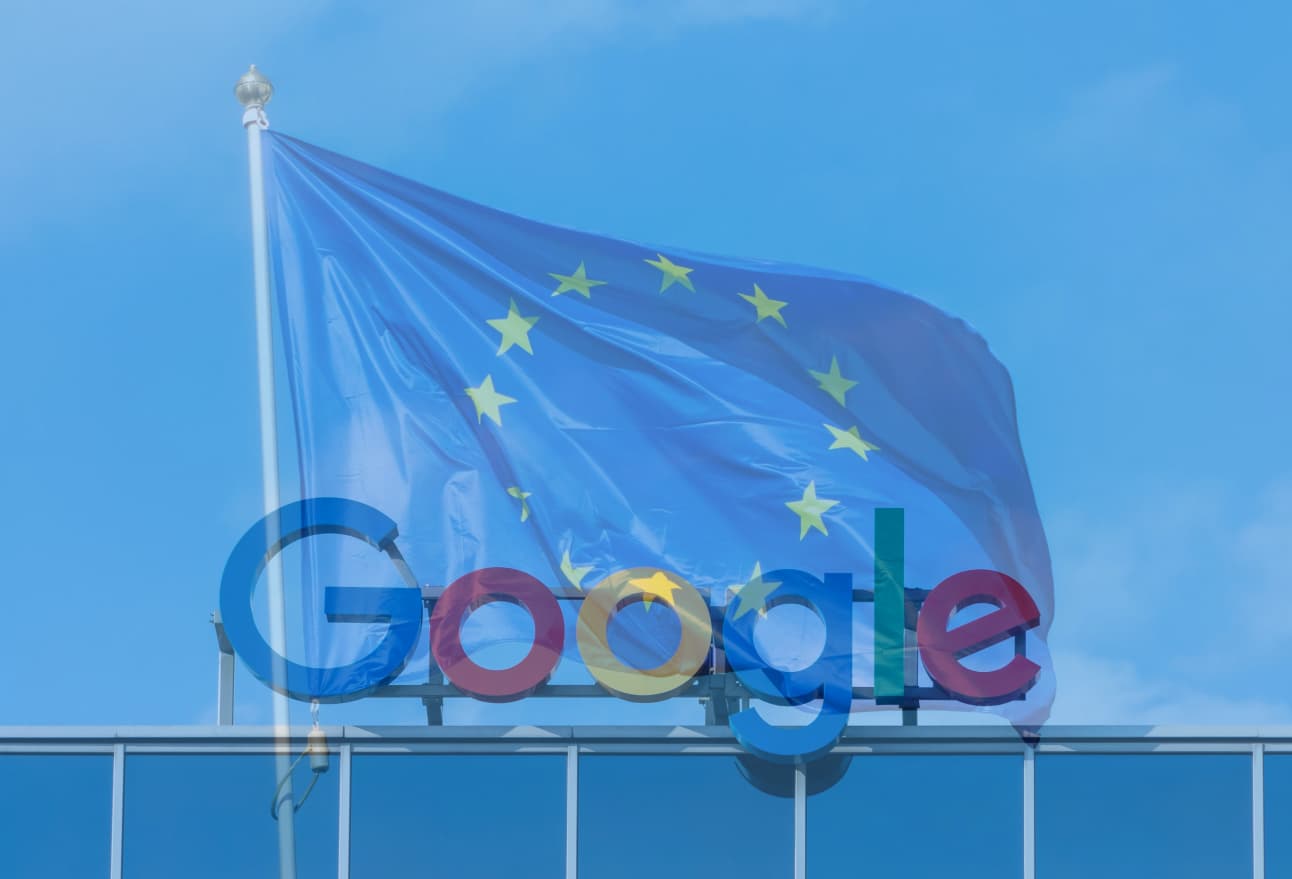
BRUSSELS – Google submitted commitments to the European Commission to modify its search engine optimization (SEO) policy for news publishers in the European Union, aiming to avoid a substantial antitrust fine.
The move followed a November 2025 investigation launched by the Commission after a complaint from the European Publishers Council (EPC), which argued the policy negatively impacted news organizations.
Introduced in March 2024, Google’s policy penalizes websites hosting third-party content deemed low quality or irrelevant, affecting news publishers who often rely on affiliate marketing or third-party advertisements for revenue, Search Engine Roundtable reported.
Google faces a potential fine of up to 10 percent of its global turnover if the Commission finds it in violation of the Digital Markets Act (DMA).
While the exact details of Google’s proposed commitments remain undisclosed, they reportedly include differentiated treatment for news domains and increased transparency regarding its SEO algorithms, Reuters reported.
This concession is considered unusual for the technology giant, raising questions about the global consistency of its spam-fighting policies, Bloomberg reported.
Barry Schwartz, a prominent SEO industry analyst, noted that Google rarely makes such specific policy adjustments in response to regulatory pressure, according to TheNextWeb.
The European Commission will now evaluate Google’s proposals, consulting with publishers and other stakeholders before making a final decision on the matter.
The EPC had previously expressed concerns that the policy unfairly targeted legitimate news content and could stifle digital innovation within the European media industry.
Google has maintained that its ‘site reputation abuse’ policy aims to improve search results quality by demoting content that exploits trusted websites for ranking purposes.
Source: Abondance

Written by
Joyce de Castro
Joyce is a core team member at Rabbit Rank and the lead author covering SEO news, algorithm updates, industry trends, and actionable ranking strategies.
Keep reading
Related Articles

OpenAI attributes ChatGPT traffic drop to tracking bug, fix rolling out
A significant drop in ChatGPT-attributed website traffic in GA4 was a tracking bug, not a user interest declin...

Google launches Universal Cart for multi-retailer shopping
Google’s Universal Cart is now live in the US via Search and Gemini, enabling multi-retailer shopping, price a...

AI reshapes PPC measurement, shifts focus beyond clicks
AI-powered search experiences necessitate new PPC measurement strategies, moving beyond traditional clicks to...