

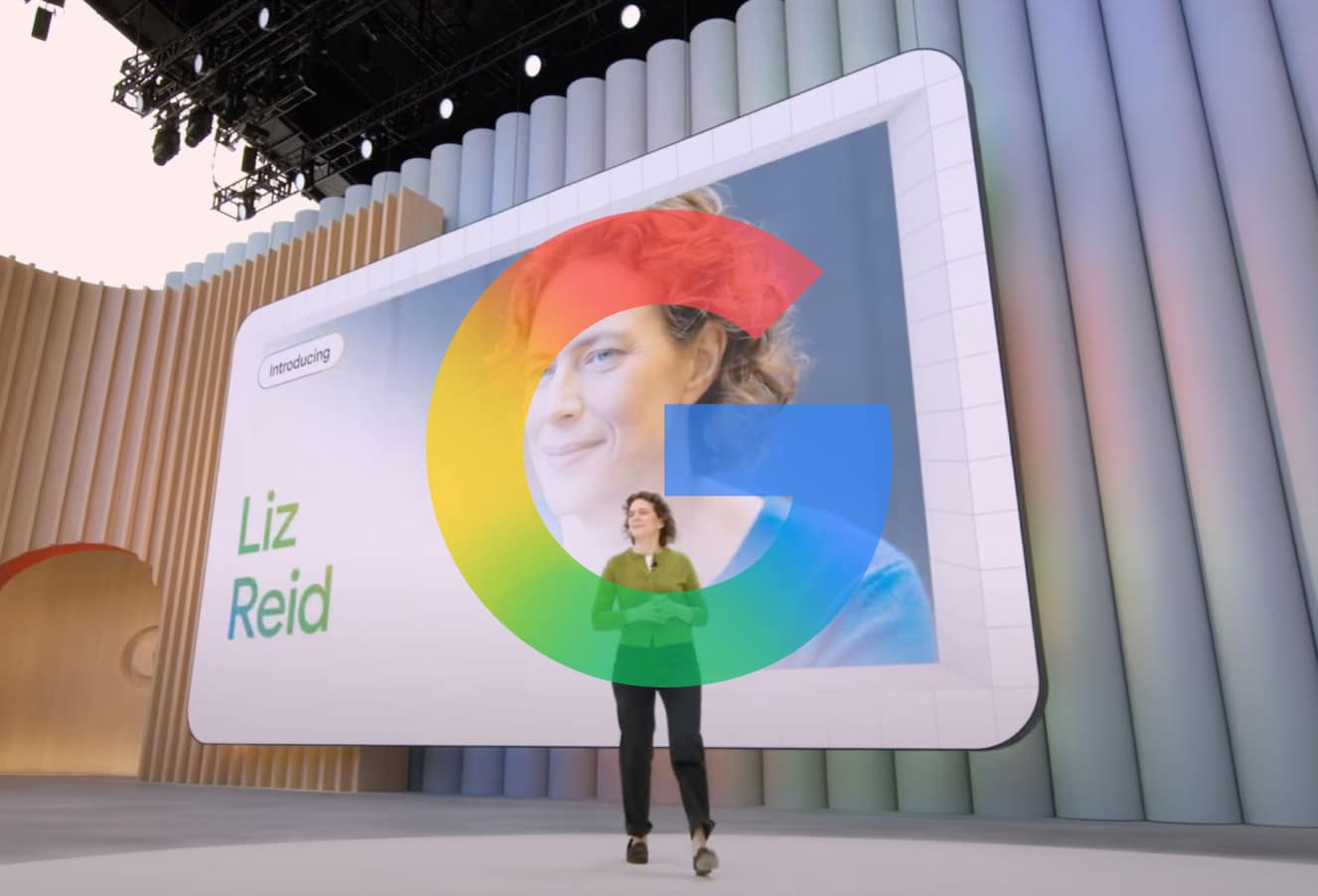
Image credit: Abondance
Google’s Vice President of Search, Liz Reid, advised global publishers to prioritize high-quality, user-focused content and ensure technical accessibility to maintain visibility in evolving search and artificial intelligence environments.
Reid said declining publisher traffic stems from broader shifts in user behavior toward video and social media, rather than solely from the rise of AI, a trend supported by studies from the Reuters Institute.
For content to appear in AI-powered search results, publishers must ensure Google‘s web crawlers can access their content, as blocking access directly impedes visibility, Reid stated.
Google prioritizes unique content demonstrating genuine expertise and original perspectives, implicitly de-emphasizing content that merely replicates existing information without adding value, according to Reid.
The company emphasized that content creators should focus on their audience rather than solely optimizing for algorithms, rewarding material that users actively click on and engage with.
Google has updated its guidelines for content creators and webmasters, stressing the importance of freshness, relevance and unique detail in published material.
These updated guidelines are consistent with Google’s long-standing advice to build content primarily for the audience, rather than just for search engine ranking, Reid explained.
Source: Abondance

Written by
Joyce de Castro
Joyce is a core team member at Rabbit Rank and the lead author covering SEO news, algorithm updates, industry trends, and actionable ranking strategies.
Keep reading
Related Articles

Google defends AI training as fair use amid publisher pushback
Google defends its AI training as fair use in a new policy paper, offering opt-out controls while publishers a...

AI Job Replacement Claims Lack Data, Undermine Trust
AI companies’ claims of human replacement are hurting trust and unsupported by employment data, urging a shift...

Internal Link Decay Harms SEO, Undermines Website Rankings
Internal link decay, a silent SEO issue, degrades link equity distribution, impacting website rankings. Learn...