


Image credit: Search Engine Journal
Webmasters and SEO professionals are actively working to identify and resolve content cannibalization, a common issue where multiple pages on a single website compete for identical keywords, often degrading search engine rankings for all involved pages.
This competition typically leads to diluted search visibility and lower organic traffic, necessitating strategic adjustments to content and technical SEO elements.
Content cannibalization can stem from various factors, including the creation of repetitive content, especially when generated by large language models, or incorrect implementation of canonical tags, according to industry experts. Other causes include pages not properly blocked in robots.txt files or unintended changes in meta robots instructions.
Detection methods for cannibalization include analyzing query URLs within Google Search Console to pinpoint competing pages, utilizing website crawlers such as Screaming Frog, Sitebulb, Botify, or Deepcrawl to examine title and H1 tags for keyword overlap, and employing SEO rank trackers like Semrush, Ahrefs, or Authority Labs to identify multiple URLs ranking for the same keyword or experiencing fluctuating positions.
Signs that indicate content cannibalization include two or more pages evenly splitting traffic for an identical keyword, pages consistently ranking between the third and fifth pages of Google search results when one previously held a higher position, or several pages targeting a keyword failing to reach the top 10.
Resolving these issues involves several strategies. One common approach is combining redundant pages into a single, more comprehensive resource. Alternatively, webmasters may opt to delete newer, less effective pages if older content performs better.
Differentiating content to target distinct user intents is another key solution, ensuring each page serves a unique purpose for search queries. Implementing meta robots tags, such as ‘noindex, follow,’ can prevent less important pages from competing in search results while still allowing link equity to pass.
Utilizing canonical links to signal the preferred version of a page to search engines is also important. Furthermore, updating internal links to point to the authoritative page helps consolidate relevance and authority. Establishing clear content creation guidelines can prevent future instances of cannibalization, according to SEO specialists.
Source: Search Engine Journal

Written by
Saeed Ashif Ahmed
I’m Saeed, the CTO of Rabbit Rank, with over a decade of experience in Blogging and SEO since 2010. Partner with us to ensure your project is handled with quality and expertise.
Keep reading
Related Articles
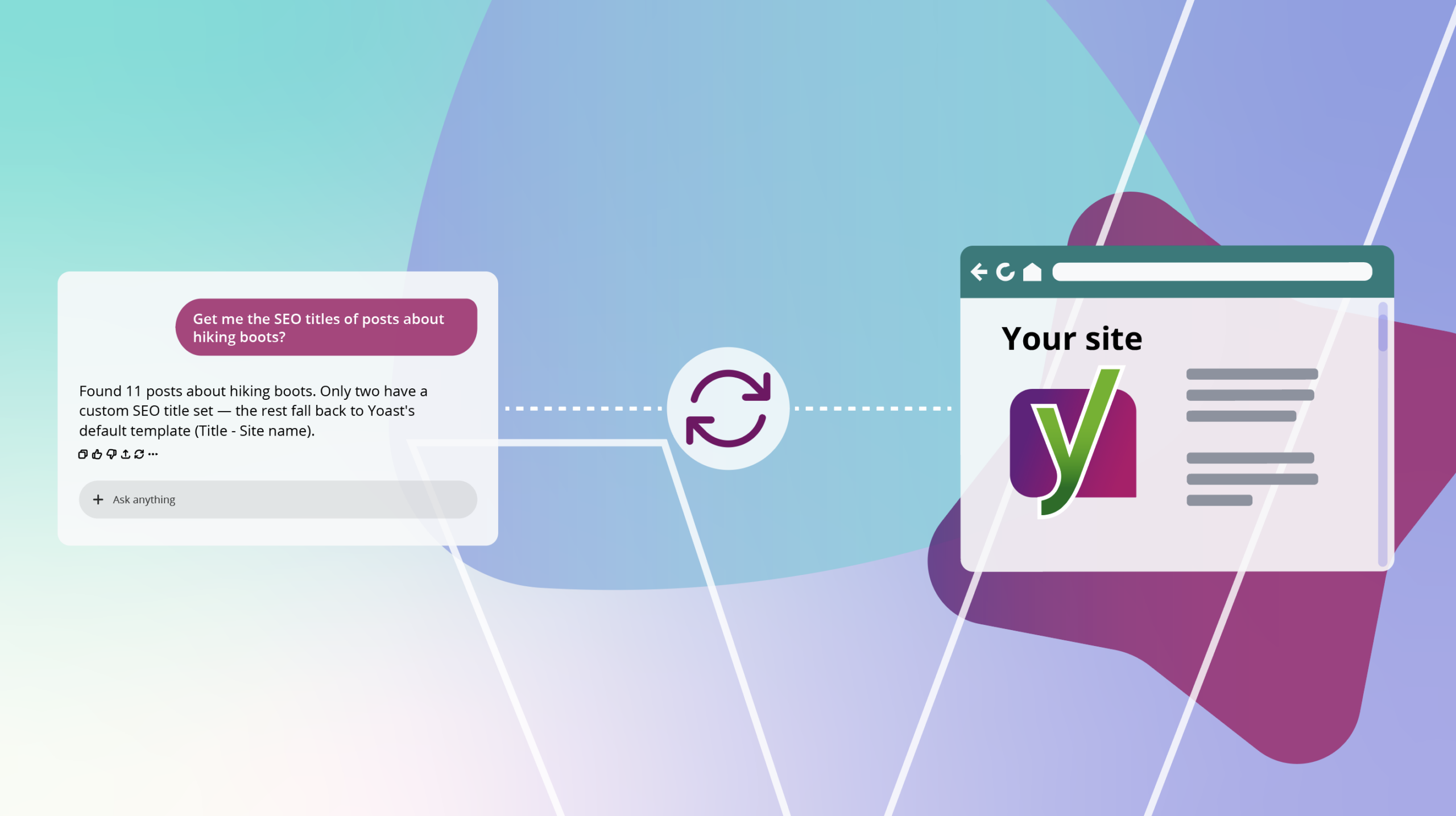
Yoast SEO enables AI to directly update WordPress site settings
Yoast SEO introduces ‘Abilities,’ enabling AI tools to directly read and update technical SEO settings on Word...

HTTP 200 Error Pages Risk Google Deindexing, Incorrect Canonicalization
HTTP 200 error pages can cause Google deindexing and canonicalization issues. Solutions include HTTP 503 statu...

October to host 8 SEO, digital marketing events focusing on AI
Discover the 8 must-attend SEO and digital marketing events in October 2026, featuring AI, GEO, and discounts...