


Image credit: Search Engine Journal
Google’s John Mueller confirmed Tuesday that automatically generated internal URLs by content management systems like Squarespace do not negatively impact search engine optimization, even when blocked by robots.txt.
Mueller’s clarification addresses a common technical SEO concern among webmasters who encounter these uneditable internal identifiers, which a Redditor recently highlighted after their detection by a Screaming Frog crawl.
These internal links, often database identifiers, are used by hosted CMS platforms to manage content and provide flexibility for user-defined category naming, Mueller explained.
He stated that such links have no impact on search rankings or SEO performance and should be disregarded by site owners.
Squarespace, for instance, utilizes internal URL identifiers such as 59487a4cd1758e7669102174 for categories, which can be observed by appending ?format=json-pretty to a URL, according to technical SEO experts.
Similarly, WordPress employs internal identifiers like term_id and post_id, which are also not intended for SEO editing or direct user modification.
Understanding the underlying architecture of a CMS is important for SEO professionals to distinguish between genuine technical issues and normal platform functionalities, industry analysts reported.
The search giant’s stance aims to alleviate concerns that these system-generated URLs, despite appearing in site crawls, could detrimentally affect a website’s visibility on Google Search.
Source: Search Engine Journal

Written by
Saeed Ashif Ahmed
I’m Saeed, the CTO of Rabbit Rank, with over a decade of experience in Blogging and SEO since 2010. Partner with us to ensure your project is handled with quality and expertise.
Keep reading
Related Articles
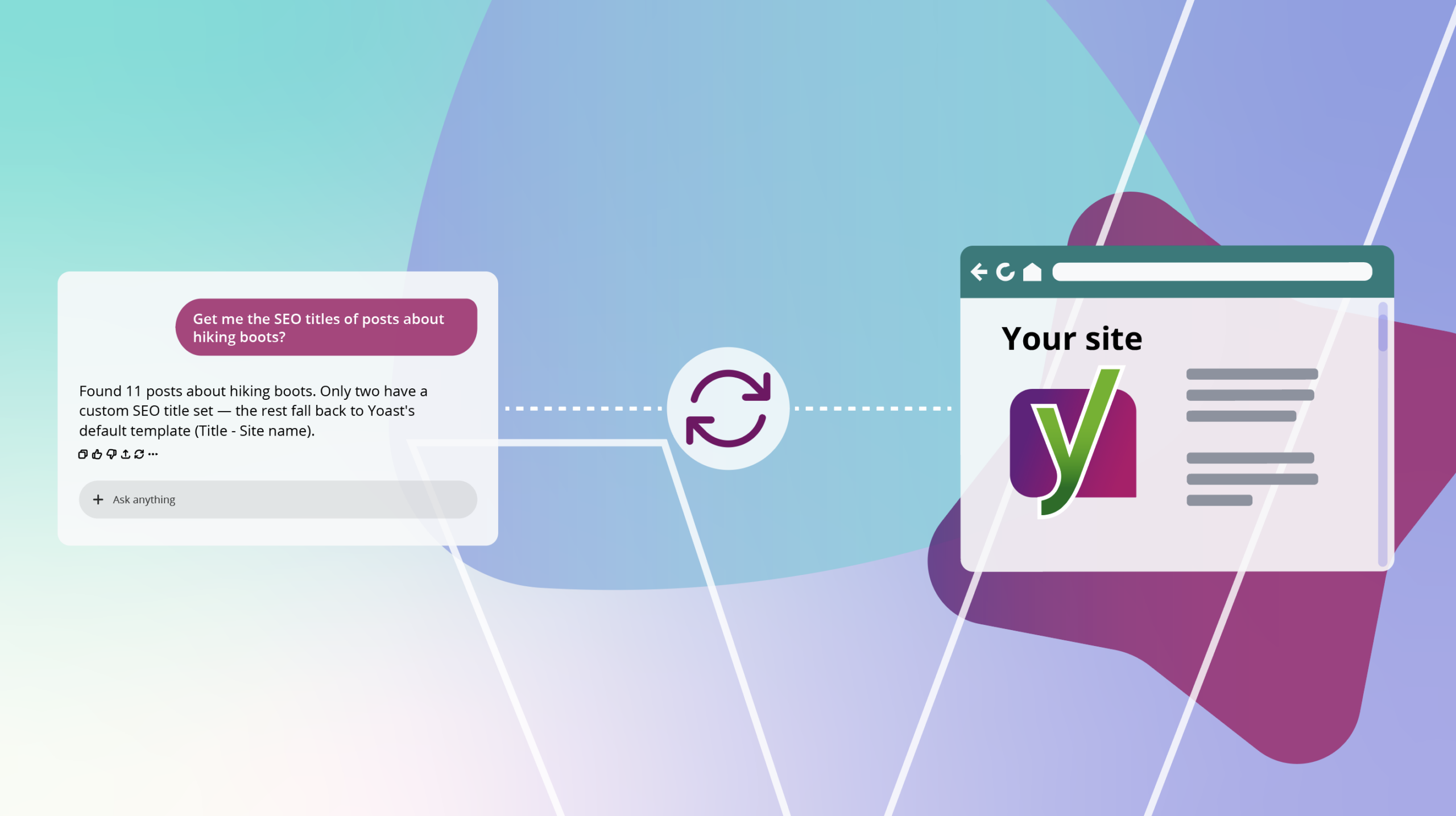
Yoast SEO enables AI to directly update WordPress site settings
Yoast SEO introduces ‘Abilities,’ enabling AI tools to directly read and update technical SEO settings on Word...

HTTP 200 Error Pages Risk Google Deindexing, Incorrect Canonicalization
HTTP 200 error pages can cause Google deindexing and canonicalization issues. Solutions include HTTP 503 statu...

October to host 8 SEO, digital marketing events focusing on AI
Discover the 8 must-attend SEO and digital marketing events in October 2026, featuring AI, GEO, and discounts...