


Image credit: Search Engine Journal
Europe’s search market is increasingly fragmented by stringent regulations and the rise of local search engines and specialized marketplaces, challenging the long-standing dominance of major global players like Google and Bing.
This shift is driven by new legislation, including the Digital Markets Act (DMA) and the AI Act, alongside the growing influence of regional search providers and e-commerce platforms that divert user traffic.
The European search market shows significant local engine presence, with Ecosia holding a notable share in Germany and Seznam.cz remaining prominent in Czechia, according to industry analysis.
Bing maintains a substantial desktop market share, primarily fueled by enterprise laptop deployments and Windows installations, a trend Microsoft aims to expand through its Copilot integration.
Regulations such as the DMA, AI Act, and General Data Protection Regulation (GDPR) are fundamentally altering how search results are presented and how market access is granted to various search engines and their features, the European Commission stated.
Major online marketplaces and comparison engines, including Amazon, Zalando, Idealo, Otto, Allegro, and Kelkoo, are absorbing a growing volume of product-related searches, thereby reducing direct user interaction with traditional general search engines.
Upcoming regulatory provisions, such as Article 6(11) of the DMA and the UK Competition and Market’s Authority’s (CMA) Strategic Market Status, will mandate data sharing and empower publishers to opt out of having their content included in AI Overviews.
A Munich Regional Court ruling in May 2026 found Google liable for false claims generated by its AI Overview feature, a decision that could potentially remove legal protections for generative AI answers and increase accountability.
Brands must now structure their online content for clean extraction and clear attribution to maintain visibility within expanding AI Overviews and answer systems like ChatGPT, Perplexity, and Mistral, experts noted.
The evolving regulatory environment and the diversification of search behavior necessitate a strategic shift for companies aiming to reach European consumers, moving beyond a sole focus on global search giants.
Source: Search Engine Journal

Written by
Saeed Ashif Ahmed
I’m Saeed, the CTO of Rabbit Rank, with over a decade of experience in Blogging and SEO since 2010. Partner with us to ensure your project is handled with quality and expertise.
Keep reading
Related Articles
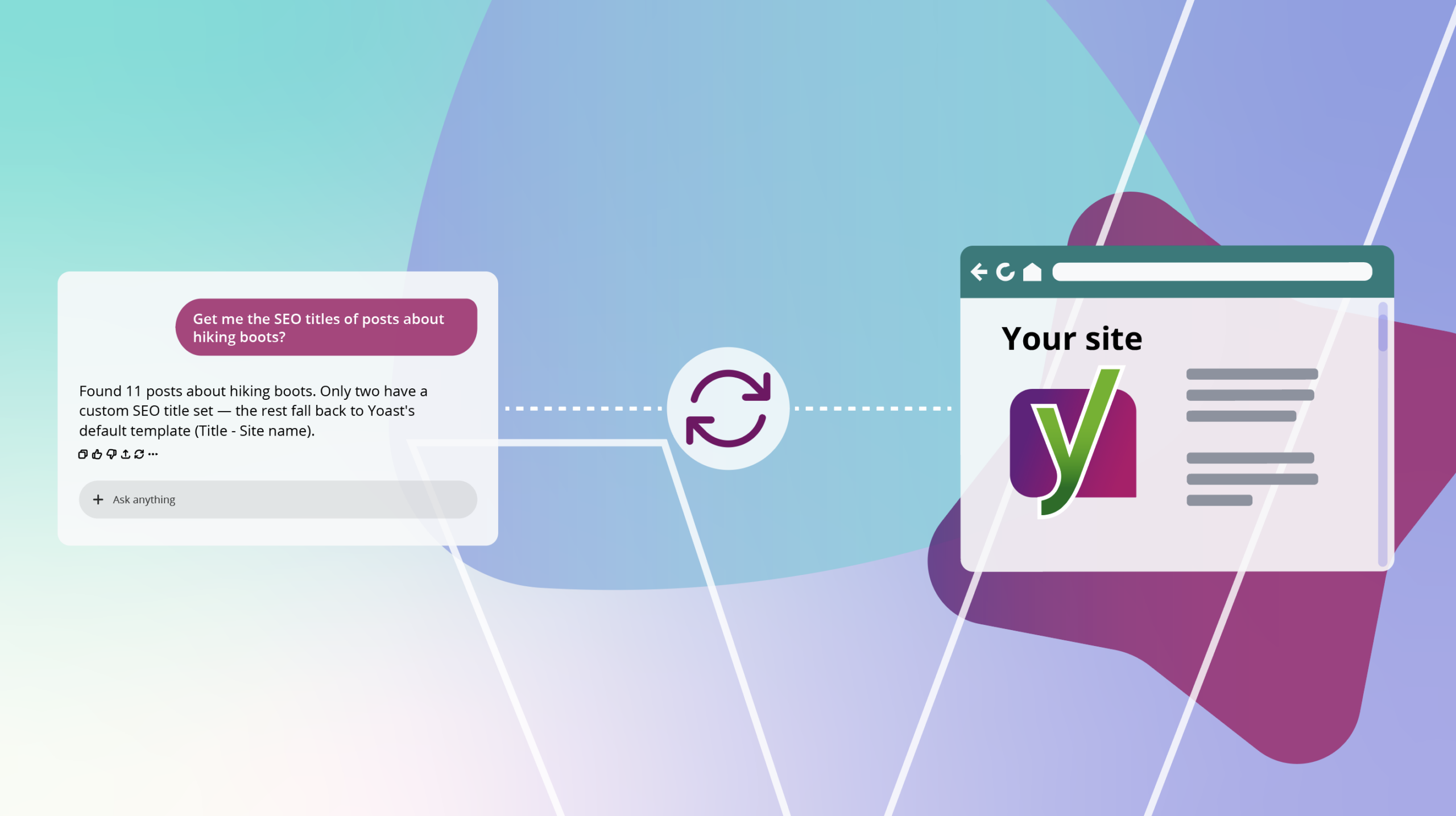
Yoast SEO enables AI to directly update WordPress site settings
Yoast SEO introduces ‘Abilities,’ enabling AI tools to directly read and update technical SEO settings on Word...

HTTP 200 Error Pages Risk Google Deindexing, Incorrect Canonicalization
HTTP 200 error pages can cause Google deindexing and canonicalization issues. Solutions include HTTP 503 statu...

October to host 8 SEO, digital marketing events focusing on AI
Discover the 8 must-attend SEO and digital marketing events in October 2026, featuring AI, GEO, and discounts...