

Image credit: Abondance
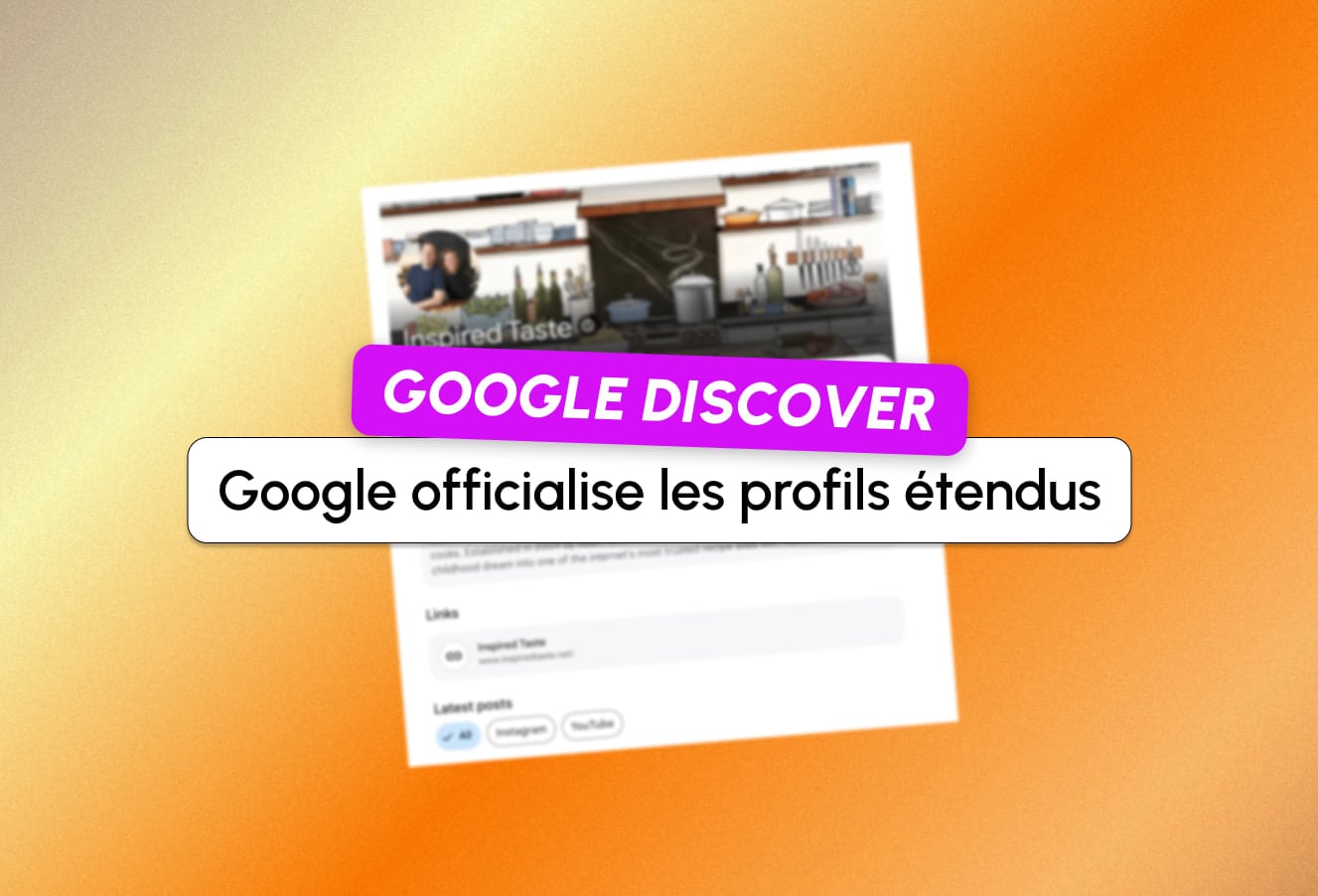
Google launched “Search profiles” for publishers on June 4 in the United States, expanding functionalities within its Discover platform and offering new tools for content promotion and audience engagement.
The initiative formalizes a direct publisher-reader relationship within Google’s ecosystem, building on a pilot program that involved 54 U.S. publishers, according to technology news site Abondance.
Search profiles allow eligible publishers to highlight a range of content, including articles, videos and social media posts, linking these directly with Google’s Knowledge Panel.
To claim a profile, publishers must be at least 18 years old, reside in the U.S. and meet specific follower thresholds on major social platforms. These include 100,000 followers on YouTube, Instagram or X (formerly Twitter), or 300,000 followers on TikTok.
Claimed profiles offer several customizable features, such as a personalized banner, a custom handle and the ability to include up to eight web links and eight pinned posts, Google stated.
The profiles also provide beta insights powered by Google Search Console, offering publishers data on their content performance and audience engagement within the Discover feed.
Google distinguishes between immediate edits, such as changing the order of social platforms, updating the cover image, pinning posts or modifying web links, and those requiring validation, including changes to the profile name, bio or the addition of new social platforms.
While Search profiles do not directly influence Google Search rankings, following a profile significantly boosts the visibility of that publisher’s content on Discover for subscribers, according to Google.
This initiative represents a strategic move by Google to enhance publisher retention and facilitate audience federation, potentially serving as an evolution of its existing Publisher Center, reported 1492.vision, a digital strategy firm.
The expanded tools aim to provide publishers with greater control over their presence and content distribution within Google’s personalized content feed, fostering more explicit personalization for users.
Source: Abondance

Written by
Palumbo Angela
Angela Palumbo, Senior Editor at Rabbit Rank since 2023, holds a bachelor's in communications. She focuses on fact-checking and simplifying complex topics while also leading strategy for the news department.
Keep reading
Related Articles
Google Lowers Follower Threshold for Search Profiles to 10,000
Google significantly lowers the follower requirement for Search Profiles to 10,000, making it easier for creat...

Google Search Console struggles with AI Overview metrics
Google Search Console’s ‘block flattening’ and impression rules are skewing AI search data, making traditional...

Affiliate Brand Bidding Inflates Costs, Erodes Company Revenue
Affiliate brand bidding inflates CPCs and commissions, causing significant revenue leakage. New monitoring met...