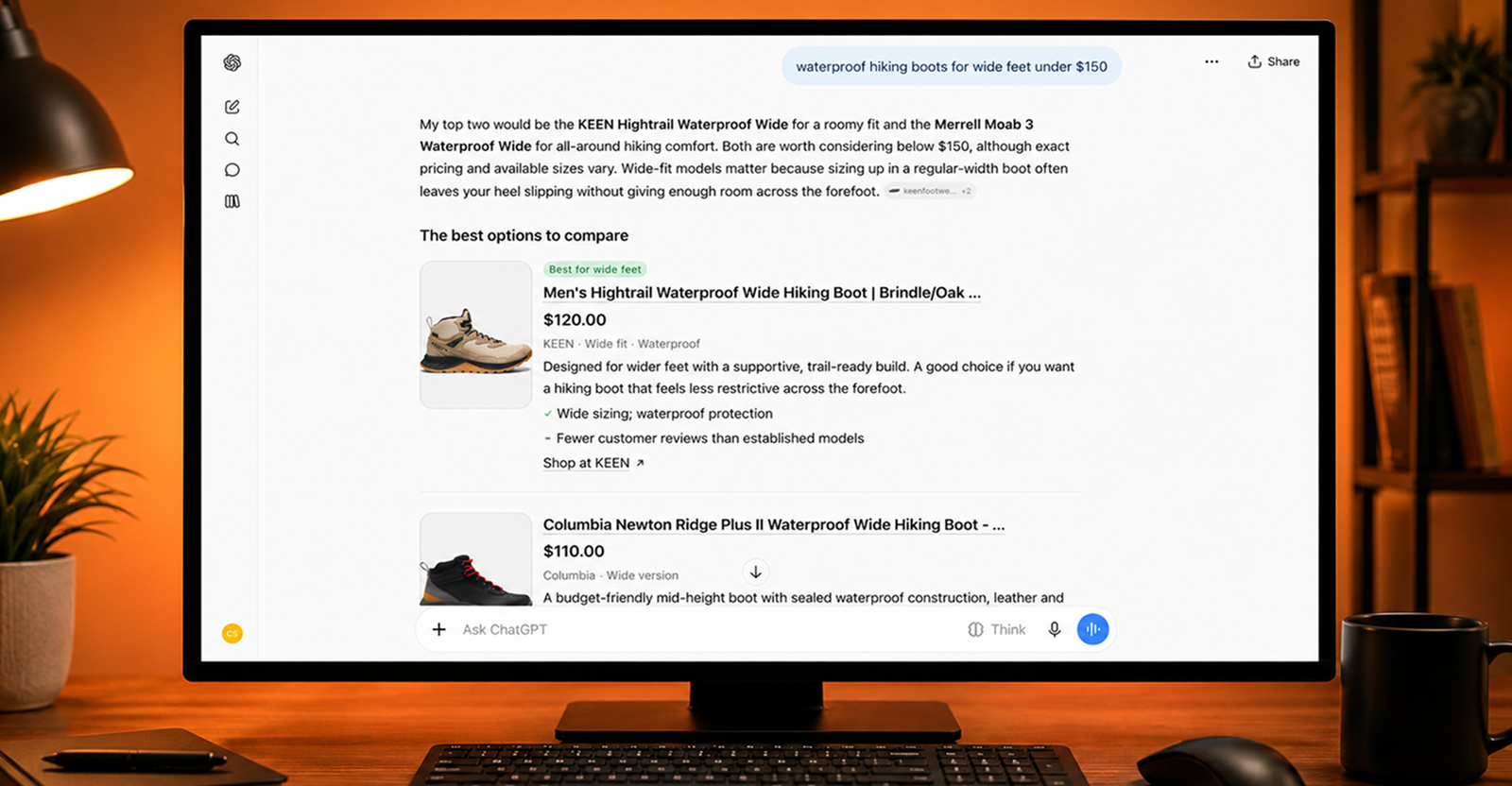
U.S. brands must proactively manage product data to prevent common artificial intelligence shopping errors and capitalize on AI’s growing influence in consumer purchasing decisions, industry analysts reported.
AI-powered shopping results, including product cards in ChatGPT and Google AI Overviews, are becoming increasingly important for consumers, with Adobe forecasting a 130 percent surge in AI traffic to U.S. retail sites this holiday season.
Errors often include products failing to appear in AI results, displaying incorrect details such as price or stock, or losing sales to competitors or resellers, according to a report by Search Engine Journal.
These inaccuracies frequently stem from inconsistent product data across various channels, including product feeds, brand websites, and retailer listings, the report stated.
Brands should implement a five-step process to audit product data, beginning with identifying how AI platforms present their products, then finding specific errors, prioritizing necessary fixes, correcting the data, and continuously monitoring changes, experts advised.
Key platforms for product data integration include ChatGPT’s Agentic Commerce Protocol (ACP) and Google’s Shopping Graph, which aggregate large amounts of product information.
Companies like Target, Best Buy, Wayfair, Shopify, and Zappos rely on accurate data to ensure their offerings are correctly represented across digital touchpoints.
For immediate improvements before the Black Friday shopping period, brands can achieve quick wins by ensuring prices and stock levels are aligned across all data sources, according to Writesonic.
OpenAI, the developer of ChatGPT, continues to enhance its AI capabilities, making accurate and consistent product data even more vital for brands seeking to maintain visibility and drive sales.
Source: Search Engine Journal